What Are the Disadvantages of Modular Furniture?
Modular furniture has become a popular choice for modern homes, offices, commercial spaces, and workplaces because of its flexibility, functionality, and contemporary design. It can be assembled from different components and adapted to changing space requirements.
However, like any furniture solution, modular furniture also has certain limitations. Understanding the disadvantages of modular furniture can help buyers make a better decision based on their space, budget, design preferences, and long-term requirements.
What Is Modular Furniture?
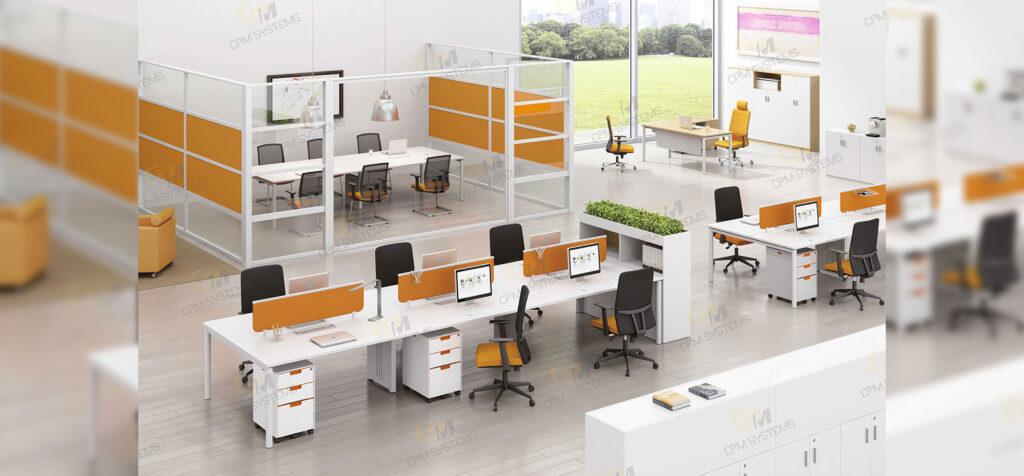
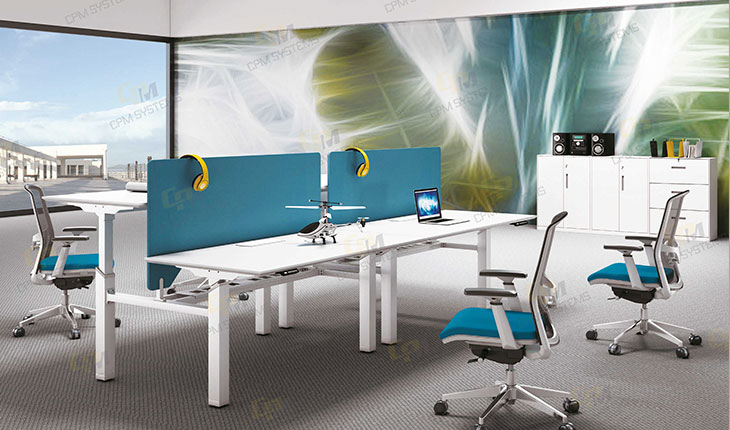
Modular furniture consists of individual components or modules that can be combined, rearranged, or configured according to a specific space. Office workstations, storage cabinets, desks, partitions, and other workspace solutions are common examples.
The main attraction of modular furniture is its flexibility. However, this modular construction can also create certain challenges depending on the quality of the product and how it is used.
What Are the Disadvantages of Modular Furniture?
Here are some of the most common limitations of modular furniture.
1. Higher Initial Cost
One of the potential disadvantages of modular furniture is its initial cost. Customized modular furniture may require additional design, manufacturing, finishing, hardware, and installation expenses.
However, the overall value depends on the quality, durability, customization, and intended period of use.
2. Installation Is Required
Unlike some ready-to-use furniture, modular furniture usually needs assembly and installation.
Large office workstations, storage systems, partitions, and customized units may require professional installation. Poor installation can affect the stability, alignment, and appearance of the furniture.
3. Quality Depends on the Manufacturer
Not all modular furniture is manufactured to the same quality standards. The durability of a modular system depends on the materials, hardware, fittings, construction techniques, and finishing.
Low-quality materials or weak fittings can lead to problems such as loose connections, damaged panels, or reduced durability.
Therefore, choosing an experienced manufacturer is important.
4. Wear and Tear of Fittings
Modular furniture contains multiple components, joints, connectors, hinges, screws, and other fittings. Frequent use or repeated movement can eventually cause some fittings to loosen or wear out.
Regular maintenance and proper handling can help extend the life of modular furniture.
5. Limited Options With Standardized Modules
Although modular furniture can be customized, some systems are based on standardized module sizes and components.
This can become a limitation when a room has unusual dimensions, irregular walls, columns, corners, or other architectural constraints.
In such situations, highly customized furniture may provide a better fit.
6. Relocation Can Cause Damage
One advantage of modular furniture is that it can often be dismantled and moved. However, repeated dismantling and reassembly can put stress on panels, connectors, screws, and fittings.
If furniture is relocated frequently or handled incorrectly, its components may experience damage or reduced stability.
7. Design Can Be Less Unique
Businesses or homeowners looking for completely unique, handcrafted, or highly customized furniture may find some modular systems restrictive.
Standard modular systems often use predefined components and designs. Bespoke furniture can provide greater freedom when creating a specific visual style.
8. Maintenance May Be Required
Modular furniture requires normal maintenance to keep it in good condition. Hinges, connectors, handles, sliding systems, and other moving components may occasionally need adjustment or replacement.
For large office installations, maintenance should be considered as part of the long-term furniture plan.
9. Replacement of Matching Components
If a particular modular component is discontinued by the manufacturer, finding an exact matching panel, finish, fitting, or module later may be difficult.
This is why it is useful to select a manufacturer that provides reliable after-sales support and replacement components.
Disadvantages of Modular Office Furniture
Modular office furniture offers flexibility and efficient space utilization, but businesses should consider some additional factors before making a purchase.
Space Planning Requirements
A modular workstation system needs proper planning. The number of employees, desk sizes, circulation space, storage requirements, meeting areas, and future expansion should all be considered.
Future Expansion
A modular system can be expanded, but additional modules may not always match the original furniture perfectly if the design, material, or finish has changed.
Planning for future expansion at the beginning can reduce this issue.
Cable Management
Modern office workstations often require power, network, and data connections. Poorly planned cable management can make an otherwise attractive modular workstation look cluttered.
A good design should include suitable cable-management solutions from the start.
How to Reduce the Disadvantages of Modular Furniture
Many of these limitations can be minimized by making the right purchasing decisions.
Choose Quality Materials
Check the quality of boards, laminates, frames, hardware, fittings, hinges, and other components before purchasing.
Work With an Experienced Manufacturer
An experienced manufacturer can help with space planning, customization, material selection, manufacturing, installation, and maintenance.
Plan the Workspace Properly
Before ordering furniture, measure the available space and determine employee seating, storage, movement areas, meeting requirements, and future expansion.
Ask About Warranty and After-Sales Support
Before purchasing, understand the warranty terms and availability of replacement components and maintenance services.
Select Durable Finishes
For commercial environments, furniture should be selected according to the intensity of use. Durable surfaces and reliable hardware can help reduce maintenance requirements.
Are the Disadvantages of Modular Furniture Worth It?
The answer depends on the requirements of the user.
For businesses that need flexible layouts, efficient space utilization, modern designs, and scalable workspaces, modular furniture can still be a highly practical option.
However, buyers looking for completely bespoke designs, handcrafted furniture, or highly specialized dimensions may want to compare modular furniture with custom-built alternatives.
The key is to evaluate the quality, design, customization, installation, maintenance, and long-term value rather than choosing furniture based only on its initial price.
Modular Furniture vs. Traditional Furniture
Both modular and traditional furniture have their own advantages.
| Feature | Modular Furniture | Traditional Furniture |
|---|---|---|
| Flexibility | High | Generally lower |
| Customization | Moderate to high | High |
| Relocation | Usually easier | Can be more difficult |
| Installation | Often required | Varies |
| Space utilization | Efficient | Depends on design |
| Design options | Standardized/customizable | Highly customizable |
| Expansion | Generally easier | May require new furniture |
| Maintenance | Component-based | Product-specific |
The right choice depends on the type of space, budget, design expectations, and long-term requirements.
Frequently Asked Questions
Is modular furniture durable?
Yes, high-quality modular furniture can be durable. Its lifespan depends on the materials, construction, hardware, usage, installation, and maintenance.
Is modular furniture expensive?
The cost varies depending on design, materials, customization, size, hardware, and installation. Customized modular furniture can have a higher initial cost than basic ready-made furniture.
Can modular furniture be relocated?
Many modular furniture systems can be dismantled and relocated. However, repeated movement should be handled professionally to minimize damage to panels and fittings.
Is modular furniture suitable for offices?
Yes. Modular office furniture is commonly used because it can provide flexible seating arrangements, efficient space utilization, storage, and the ability to adapt to changing workplace requirements.
What is the biggest disadvantage of modular furniture?
There is no single disadvantage for every buyer. Common concerns include installation requirements, component wear, standardized dimensions, initial cost, and dependence on the manufacturer’s quality and after-sales support.
Conclusion
Understanding the disadvantages of modular furniture is just as important as understanding its benefits. While modular furniture may involve installation, maintenance, standardized components, and certain customization limitations, these challenges can often be reduced through proper planning and by selecting quality products.
For offices and modern workplaces, modular furniture remains a practical solution when flexibility, functionality, space utilization, and future adaptability are important. Choosing the right design and a reliable manufacturer can help businesses get the benefits of modular furniture while minimizing its potential drawbacks.