Office Furniture Manufacturer vs Furniture Dealer: Which One Should You Choose?
When setting up or renovating an office, choosing the right furniture supplier is an important decision. Businesses commonly have two options: purchase directly from an office furniture manufacturer or buy through a furniture dealer.
While both can provide office furniture, their business models, pricing, customization capabilities, product selection, and services can be different.
Understanding the difference between an office furniture manufacturer and a furniture dealer can help businesses choose the right option according to their budget, project size, design requirements, and timeline.
What Is an Office Furniture Manufacturer?
An office furniture manufacturer is a company that designs and produces furniture in its own manufacturing facility or through its controlled production network.
Manufacturers typically manage several stages of the process, including:
- Product design
- Material selection
- Manufacturing
- Quality control
- Finishing
- Customization
- Packaging
- Delivery
- Installation
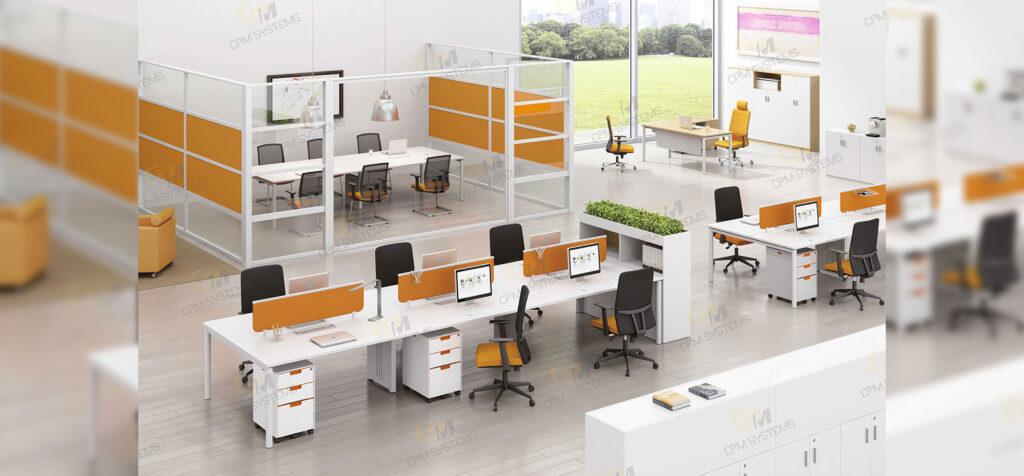
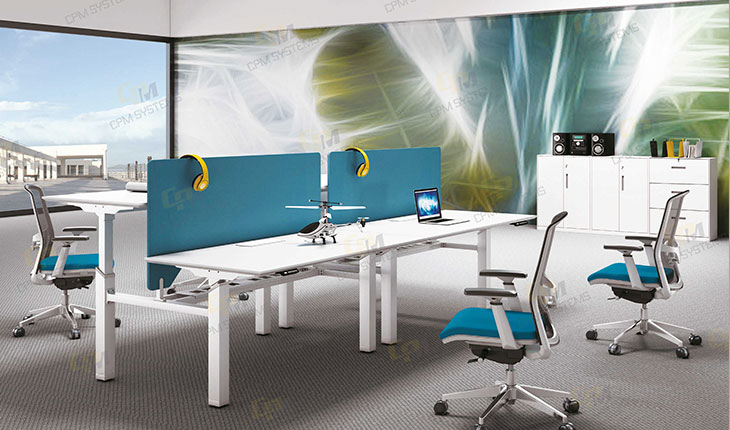
An office furniture manufacturer may produce products such as modular workstations, executive desks, conference tables, reception counters, storage units, and complete office furniture systems.
Because the manufacturer is directly involved in production, businesses can often discuss specific product specifications and customization requirements directly with the production team.
What Is a Furniture Dealer?
A furniture dealer or furniture retailer generally purchases products from one or more manufacturers and sells them to customers.
Dealers may offer furniture from multiple brands, manufacturers, or product categories.
Their services may include:
- Product selection
- Quotation
- Sales support
- Delivery coordination
- Installation coordination
- Customer service
A dealer can be useful when a customer wants to compare products from different brands or purchase smaller quantities without directly dealing with a manufacturing company.
Office Furniture Manufacturer vs Furniture Dealer
The major difference is their role in the furniture supply chain.
| Factor | Office Furniture Manufacturer | Furniture Dealer |
|---|---|---|
| Production | Produces furniture | Usually purchases from manufacturers |
| Customization | Usually higher | Depends on manufacturer |
| Product control | Direct control over production | Depends on supplier |
| Pricing | Potentially more competitive for bulk orders | May include dealer margin |
| Product range | Own product range | Can offer multiple brands |
| Technical support | Direct manufacturer support | Dealer coordinates with supplier |
| Large projects | Generally well suited | Depends on dealer capacity |
| Quality control | Directly involved | Relies on manufacturing partner |
| Design support | Often available | Depends on dealer |
| After-sales | Direct manufacturer support | Dealer-managed or manufacturer-supported |
1. Pricing Difference
One of the biggest considerations is price.
When buying directly from an office furniture manufacturer, businesses may avoid an additional distribution layer. This can make direct purchasing more competitive, particularly for large office projects.
A furniture dealer may purchase products from manufacturers and add a margin before selling them to the final customer.
However, the cheapest quotation is not necessarily the best option. Businesses should compare the complete package, including:
- Product quality
- Materials
- Customization
- Transportation
- Installation
- Warranty
- After-sales service
The right comparison is based on total value, not simply the initial price.
2. Customization
Customization is particularly important for modern offices because every workspace has different dimensions and requirements.
A manufacturer can generally provide more direct control over customization because production takes place within its manufacturing process.
Customization may include:
- Workstation dimensions
- Desk sizes
- Storage configurations
- Colours and finishes
- Partition systems
- Cable management
- Executive furniture
- Conference tables
- Branding elements
A dealer can also provide customized furniture, but the level of customization depends on the manufacturer or brands they represent.
3. Product Quality and Control
Manufacturers have greater involvement in the production process. They can control materials, manufacturing processes, finishing, hardware, and quality checks.
When buying from a dealer, the dealer’s ability to control quality depends on the manufacturing companies they work with.
For large projects, it is therefore useful to understand:
- Where the furniture is manufactured
- Which materials are being used
- What hardware is included
- How quality is checked
- What warranty is provided
4. Large Office Projects
For large corporate offices, choosing an experienced manufacturer can offer advantages because one company may handle the complete process from design to installation.
A manufacturer may support:
Space Planning → Design → Manufacturing → Quality Control → Delivery → Installation
This can simplify project coordination.
Dealers can also manage large projects, but their ability to do so depends on their supplier network, project-management capabilities, and installation partners.
5. Product Variety
Furniture dealers often have an advantage when it comes to variety.
A dealer may offer products from several manufacturers or brands, allowing customers to compare different designs and price ranges in one place.
Manufacturers generally focus on their own product range.
Therefore:
- Need multiple brands? A dealer may be useful.
- Need customization and direct manufacturing support? A manufacturer may be the better choice.
6. Design and Space Planning
Modern office furniture is closely connected with workspace planning.
A professional manufacturer may provide design and planning services for:
- Open workstations
- Manager cabins
- Executive cabins
- Meeting rooms
- Conference rooms
- Reception areas
- Collaborative spaces
- Storage areas
This can help ensure that furniture fits the available space and supports the way employees work.
7. Delivery and Installation
Furniture delivery is only one part of an office furniture project. Proper installation is equally important.
A professional manufacturer may coordinate manufacturing, transportation, and installation according to the project schedule.
Before selecting a supplier, confirm:
- Expected production time
- Delivery schedule
- Installation timeline
- Site requirements
- Installation team
- Project handover process
This is especially important for businesses moving into a new office on a fixed deadline.
8. Warranty and After-Sales Service
After-sales support should be considered before placing an order.
Ask the supplier about:
- Warranty duration
- Hardware replacement
- Manufacturing defects
- Installation-related issues
- Service response time
- Repair and maintenance support
When purchasing directly from a manufacturer, communication with the production company can be more direct.
With a dealer, the dealer may need to coordinate service with the original manufacturer.
When Should You Choose an Office Furniture Manufacturer?
An office furniture manufacturer may be the better choice if you:
- Need furniture for a complete office setup
- Require customized workstations
- Have a large seating requirement
- Need consistent furniture across multiple departments
- Require space planning
- Want direct manufacturing support
- Need specific dimensions or finishes
- Require project-based installation
- Want long-term service support
For corporate offices, startups, coworking spaces, educational institutions, healthcare facilities, and other commercial environments, direct manufacturer engagement can be particularly useful when the project involves significant customization or volume.
When Should You Choose a Furniture Dealer?
A furniture dealer may be a suitable option if you:
- Need a small quantity of furniture
- Want to compare multiple brands
- Need readily available products
- Have limited customization requirements
- Want to purchase different furniture brands from one supplier
- Need standard office furniture quickly
For smaller requirements, a dealer can provide convenience and product variety.
Manufacturer or Dealer: Which Is Better?
There is no single answer for every business.
The right choice depends on your requirements.
If your priority is customization, manufacturing control, large-scale projects, consistent quality, and direct project coordination, an office furniture manufacturer may be the better option.
If your priority is brand variety, standard products, quick selection, and smaller quantities, a furniture dealer may be more suitable.
How to Select the Right Office Furniture Supplier
Before making a final decision, compare suppliers based on:
1. Experience
Check how long they have been serving commercial and corporate clients.
2. Manufacturing Capability
If they claim to be a manufacturer, ask about their manufacturing facility and production capacity.
3. Product Quality
Review materials, hardware, construction, and finishing.
4. Customization
Confirm whether the furniture can be modified according to your office layout.
5. Project Portfolio
Review previous office projects similar to yours.
6. Delivery
Confirm realistic production and delivery timelines.
7. Installation
Check whether professional installation is included.
8. Warranty
Understand what is covered and for how long.
9. After-Sales Service
Ask how service requests and replacement requirements are handled.
10. Total Cost
Compare the complete project cost rather than only the furniture price.
Conclusion
The choice between an office furniture manufacturer and a furniture dealer depends largely on the scale and complexity of your project.
For businesses looking for customized modular workstations, complete office furniture solutions, consistent designs, and direct project support, working with a professional manufacturer can offer significant advantages.
On the other hand, dealers can be valuable when businesses need multiple brands, standard products, smaller quantities, or quick product selection.
Before making your decision, evaluate quality, customization, manufacturing capability, pricing, delivery, installation, warranty, and after-sales service. Choosing a supplier based on overall value can help you create a more functional, professional, and long-lasting workplace.
Frequently Asked Questions
Is it cheaper to buy office furniture directly from a manufacturer?
Direct purchasing can be more competitive, especially for bulk or complete office projects, but pricing depends on materials, specifications, customization, installation, and other services.
What is the main difference between a manufacturer and a furniture dealer?
A manufacturer is directly involved in producing the furniture, while a dealer generally purchases furniture from manufacturers and sells it to customers.
Are manufacturers better for customized office furniture?
Manufacturers are generally well suited for customized requirements because they have direct control over production and specifications.
Should startups buy from a manufacturer or dealer?
Startups with small, standard furniture requirements may find dealers convenient. Startups setting up a complete office may benefit from working directly with a manufacturer.
What should I check before selecting an office furniture company?
Check product quality, materials, manufacturing capability, customization, previous projects, pricing, delivery, installation, warranty, and after-sales support.