Conference Room Furniture Guide: How to Choose the Right Furniture
A conference room is one of the most important spaces in a modern office. It is where teams discuss projects, meet clients, conduct presentations, and make important business decisions. Choosing the right conference room furniture can make these meetings more comfortable, professional, and productive.
A good conference room should balance comfort, functionality, appearance, and available space. From conference tables and chairs to storage and technology solutions, every element should work together to create an efficient meeting environment.
Why Conference Room Furniture Matters
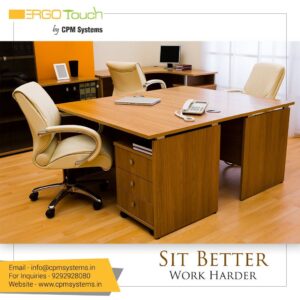
The right furniture can have a significant impact on how people use a meeting room. An overcrowded table, uncomfortable chairs, or poor furniture layout can make even a well-designed office feel inconvenient.
A properly planned conference room provides:
- Comfortable seating for meetings
- Better communication between participants
- Efficient use of office space
- A professional environment for clients
- Easy access to technology and power
- A clean and organized appearance
The furniture should be selected according to the actual purpose and expected number of users rather than simply choosing the largest available table.
Choose the Right Conference Table
The conference table is usually the central element of a meeting room. Its size and shape should match the room dimensions and the number of people who regularly use it.
For smaller meeting rooms, compact rectangular or round tables can be practical. Medium-sized rooms can accommodate larger rectangular, oval, or boat-shaped tables, while large boardrooms may require customized executive conference tables.
Before purchasing a table, measure the room and consider the space required for chairs, movement, doors, displays, and other furniture. Adequate circulation space is important so people can comfortably enter, leave, and move around the table.
Select Comfortable Conference Chairs
Conference chairs should provide adequate comfort, especially when meetings can last for several hours.
When selecting chairs, consider:
- Comfortable seating
- Back support
- Appropriate seat height
- Durable materials
- Armrest requirements
- Design and appearance
The chair should also complement the height and design of the conference table. Comfortable seating helps create a better experience for employees, visitors, and clients.
Consider the Room Size and Seating Capacity
One of the most common mistakes when planning a conference room is selecting furniture without considering the available space.
Start by determining how many people normally attend meetings. Then select a table and seating arrangement that provides sufficient personal space without overcrowding the room.
For example, a small meeting room for 4–6 people may require a compact table, while a larger boardroom designed for 12 or more people will require a substantially larger table and additional circulation space.
Plan for Technology and Cable Management
Modern meetings often involve laptops, video conferencing, projectors, displays, charging devices, and other technology.
Conference tables with integrated power modules and cable management can help keep the meeting area organized. Instead of cables running across the floor or table, built-in solutions can provide easier access to power and connectivity.
Technology requirements should therefore be considered before finalizing the furniture design.
Add Storage and Supporting Furniture
A conference room may also require additional furniture such as storage cabinets, credenzas, sideboards, or presentation units.
These can be used to store:
- Documents
- Stationery
- Presentation equipment
- Cables and accessories
- Meeting supplies
Keeping these items organized helps maintain a clean and professional meeting space.
Choose the Right Material and Design
Conference room furniture should match the overall style of the office. Modern businesses often prefer clean, minimal designs, while executive boardrooms may use premium finishes and more formal furniture.
Durability should also be considered. Conference tables and chairs are used frequently, so materials should be selected according to expected usage, maintenance requirements, and budget.
The goal should be to create a professional appearance without sacrificing functionality.
Why Choose CPM Systems for Conference Room Furniture?
CPM Systems provides modern office furniture and complete workspace solutions for businesses looking to create functional and professional work environments.
Its range of office furniture solutions can include conference tables, meeting room furniture, executive desks, modular workstations, and other workplace requirements.
For businesses setting up a new office or redesigning an existing meeting space, CPM Systems can help create furniture solutions based on available space, seating requirements, design preferences, and workplace needs.
Tips for Creating a Professional Conference Room
Before finalizing your conference room furniture, keep these points in mind:
- Measure the room properly.
- Determine the normal meeting capacity.
- Select a conference table according to the available space.
- Choose comfortable and durable chairs.
- Plan power and cable management in advance.
- Keep enough space for movement around the furniture.
- Match the furniture design with your office interiors.
- Consider future requirements before making the final purchase.
Conclusion
Choosing the right conference room furniture requires careful planning. The conference table, chairs, storage, layout, and technology solutions should work together to create a comfortable and professional meeting environment.
Whether you are setting up a small meeting room or a large corporate boardroom, focus on space, seating capacity, comfort, durability, design, and functionality.
With the right planning and a reliable office furniture partner such as CPM Systems, businesses can create conference rooms that support better communication, productive meetings, and a professional workplace image.