Workstation vs Open Office: Which Is Better for Your Office?
Choosing the right office layout is important for creating a productive, comfortable, and professional workplace. Two popular options for modern businesses are a workstation office design and an open office layout. Both have their own advantages, and the right choice depends on your team size, work requirements, privacy needs, available space, and budget.
Understanding workstation vs open office can help businesses create a workplace that supports productivity, collaboration, and employee comfort.
What Is an Office Workstation?
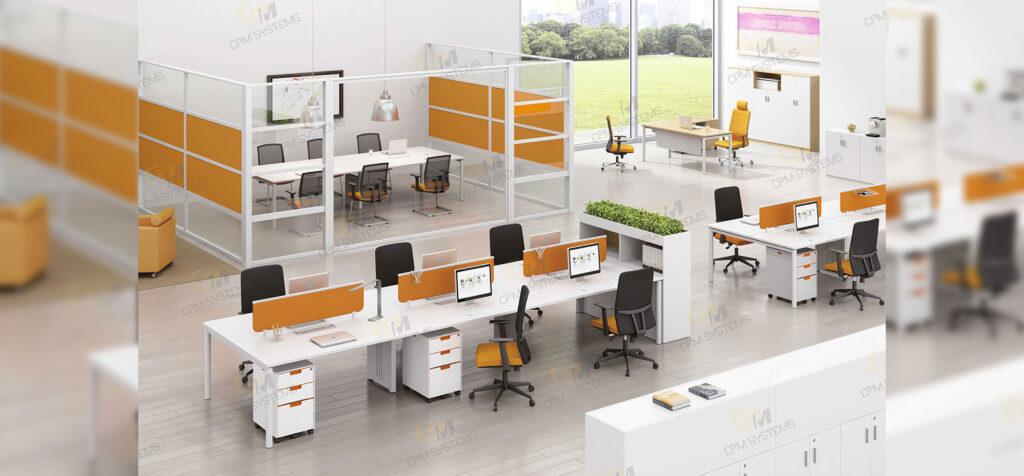
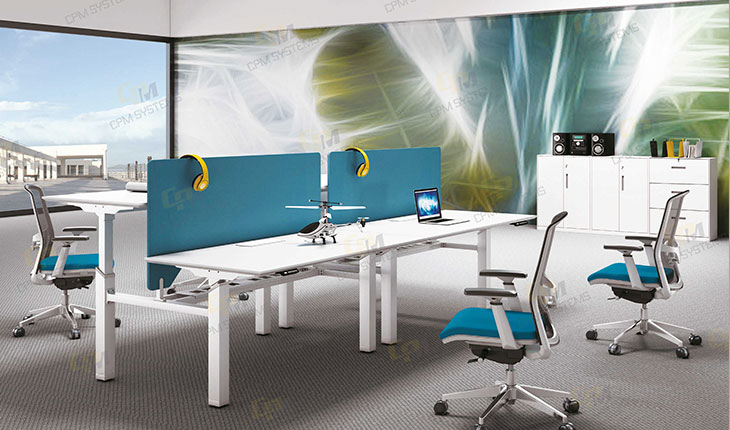
An office workstation is a dedicated workspace designed for an individual employee or a small team. It usually includes a desk, chair, storage, and partitions or panels that provide a certain level of privacy.
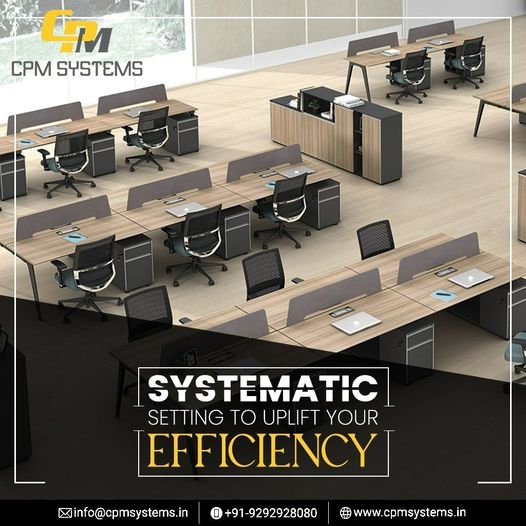
A well-planned workstation office design can help employees stay organized while making efficient use of available floor space. Modular workstations are especially useful because they can be customized and rearranged according to changing business requirements.
Workstations are commonly used in IT companies, startups, corporate offices, BPOs, consulting firms, and other workplaces where employees need dedicated working areas.
Benefits of Office Workstations

- Dedicated workspace for employees
- Better organization and storage
- More privacy than a completely open workspace
- Efficient use of office space
- Reduced visual distractions
- Easy customization
- Flexible modular configurations
For businesses looking for a structured workplace, modular workstations can provide an effective combination of privacy, functionality, and space efficiency.
What Is an Open Office Layout?
An open office layout is a workplace design where employees work in a shared area without permanent walls or individual enclosed rooms.
Open offices are designed to encourage communication and collaboration. Employees can easily interact with colleagues, share ideas, and work together on projects.
This type of layout is particularly popular among modern companies that have collaborative teams and flexible working styles.
Benefits of an Open Office Layout
An open office can provide several advantages:
- Better employee interaction
- Easy communication between teams
- More collaborative working environment
- Flexible seating arrangements
- Efficient use of shared space
- Easier team supervision
- Modern and spacious appearance
However, open offices may provide less privacy and can sometimes have higher noise levels. Businesses should therefore consider acoustic solutions, meeting rooms, breakout areas, and quiet zones when planning an open workspace.
Workstation vs Open Office: Key Differences
The main difference between an office workstation and an open office is the level of separation between employees.
| Feature | Office Workstation | Open Office |
|---|---|---|
| Privacy | Higher | Lower |
| Collaboration | Good | Excellent |
| Noise Control | Better | Can be challenging |
| Personal Workspace | Dedicated | Shared environment |
| Flexibility | High with modular designs | Very high |
| Organization | Individual workspace | Shared environment |
| Best For | Focused work | Collaborative teams |
Neither option is automatically better. The ideal solution depends on how employees work and what the business needs from its office environment.
Workstation or Open Office for Startups?
Startups often have changing team sizes and limited office space. For this reason, flexibility should be an important consideration when selecting an office layout.
A workstation or open office for startups can be designed according to the company’s current team size while allowing room for future expansion.
Modular workstations can be particularly useful because additional units can be added as the company grows. An open office can also provide flexibility for collaborative teams.
For many startups, a combination of dedicated workstations and open collaborative areas can provide the best balance.
Which Office Layout Is Better for Productivity?
Productivity depends heavily on the type of work employees perform.
Employees who require concentration, privacy, and fewer interruptions may benefit from dedicated workstations. Employees involved in brainstorming, communication, sales, creative work, and team projects may perform well in an open office environment.
Therefore, instead of asking whether a workstation or open office is universally better, businesses should consider the different working styles within their organization.
A hybrid workplace can include:
- Dedicated workstations
- Open collaboration zones
- Private meeting rooms
- Breakout spaces
- Quiet areas
- Conference rooms
This approach allows employees to choose an appropriate environment for different tasks.
Best Office Layout for Small Businesses
For businesses with limited floor space, planning is especially important. The best office layout for small businesses should maximize usable space without making employees feel overcrowded.
Modular furniture can help create an efficient layout. Workstations can be arranged according to the shape of the room, while compact meeting tables and smart storage solutions can save additional space.
An experienced office furniture manufacturer can help businesses plan furniture placement according to the floor plan and number of employees.
Workstation Office Design Ideas
A modern workstation office design should focus on functionality, comfort, and efficient space utilization.
Some useful ideas include:
- Use modular workstations for flexibility
- Provide sufficient space between work areas
- Include integrated cable management
- Add personal storage where required
- Use ergonomic office chairs
- Create dedicated collaboration zones
- Maintain clear movement areas
- Use consistent furniture designs throughout the office
A clean and organized workstation layout can improve the overall appearance of the workplace while supporting employee productivity.
Open Office vs Cubicle Workstation
The comparison of open office vs cubicle workstation is also important for businesses planning their workplace.
Cubicle-style workstations provide individual employees with defined work areas and some degree of visual and acoustic separation. An open office, on the other hand, removes most physical barriers and focuses on accessibility and communication.
Businesses that require a balance between privacy and collaboration may prefer workstation partitions, while highly collaborative teams may benefit from a more open arrangement.
Best Office Workstation Layout for Employees
The best office workstation layout for employees should consider employee comfort, available space, natural movement, storage, lighting, and communication.
Workstations should not be placed so closely together that employees feel restricted. There should also be enough space for people to move safely around desks and access meeting areas and common facilities.
Cable management and storage should be planned at the same time as the furniture layout rather than added later.
CPM Systems: Office, Workstation & Furniture Solutions in India
CPM Systems is an India-leading office, workstation, and furniture solutions brand focused on creating modern and functional workplaces for businesses.
From modular workstations and executive desks to conference tables and complete office furniture solutions, CPM Systems provides furniture designed for different workplace requirements.
Businesses can choose solutions based on their office size, team structure, design preferences, functionality, and future expansion plans.
Whether a company requires a dedicated workstation environment, an open office setup, or a combination of both, selecting the right furniture can help create a professional and productive workplace.
How to Choose Between a Workstation and Open Office
Before finalizing your office layout, consider the following:
1. Type of Work
Determine whether employees primarily perform focused individual tasks or collaborative work.
2. Privacy Requirements
If employees regularly handle confidential information or need concentration, workstations with partitions may be more suitable.
3. Team Collaboration
If communication and teamwork are essential, an open office can encourage easier interaction.
4. Available Space
Analyze the floor plan before selecting furniture. The layout should provide enough working and circulation space.
5. Future Growth
Choose flexible furniture that can be expanded or rearranged as your company grows.
6. Employee Comfort
Comfort should remain a priority regardless of the chosen layout. Ergonomic furniture and sufficient personal space can create a better working environment.
Conclusion
The choice between workstation vs open office depends on your company’s working style, employee requirements, available space, and future plans.
An office workstation can provide dedicated workspace, organization, privacy, and better focus, while an open office layout can encourage communication, collaboration, and flexibility.
For many modern businesses, combining both approaches can create a more balanced workplace. Dedicated workstations can support focused tasks, while open areas can be used for collaboration and team interaction.
With professionally planned furniture solutions from CPM Systems, businesses can create modern, functional, and flexible workplaces that are designed to support productivity and long-term growth.