Office Workstation Manufacturer: What Should You Check Before Buying?
Choosing the right office workstation manufacturer is an important decision for any business planning a new office, expansion, or workspace renovation. Office workstations are not simply desks; they influence space utilization, employee comfort, organization, privacy, and the overall appearance of the workplace.
With many workstation suppliers and manufacturers available in the market, businesses should evaluate quality, design, customization, ergonomics, durability, installation, and after-sales support before making a purchase.
This guide explains the key factors you should check before choosing an office workstation manufacturer.
1. Check the Manufacturer’s Product Range
The first thing to evaluate is the range of workstation solutions offered by the manufacturer.
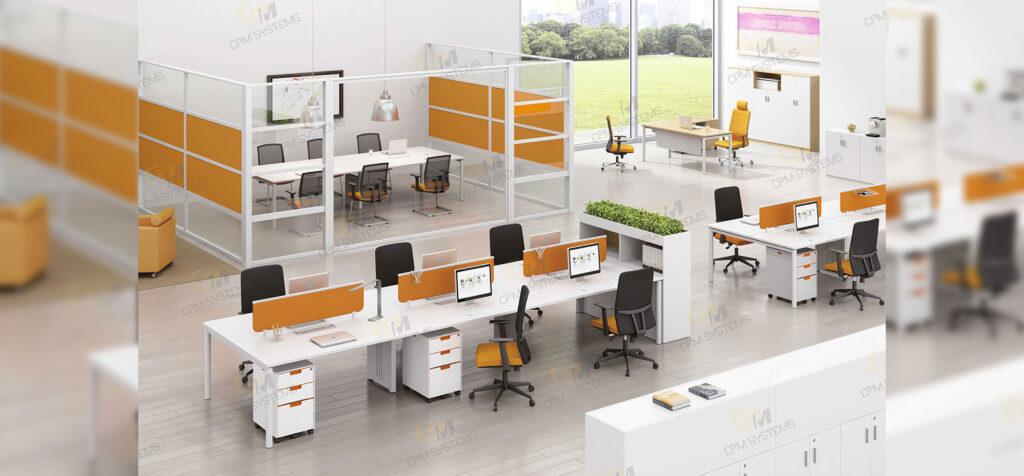
A professional manufacturer should be able to provide different configurations according to office size and employee requirements, such as:

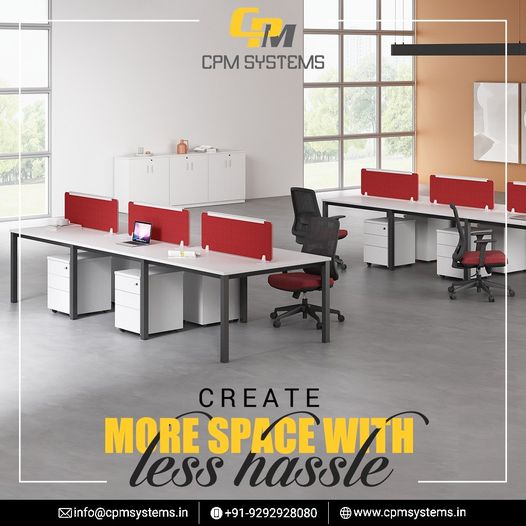
- Linear office workstations
- L-shaped workstations
- Cluster workstations
- Four-seater workstations
- Panel-based workstations
- Managerial workstations
- Executive workstations
- Collaborative workstations
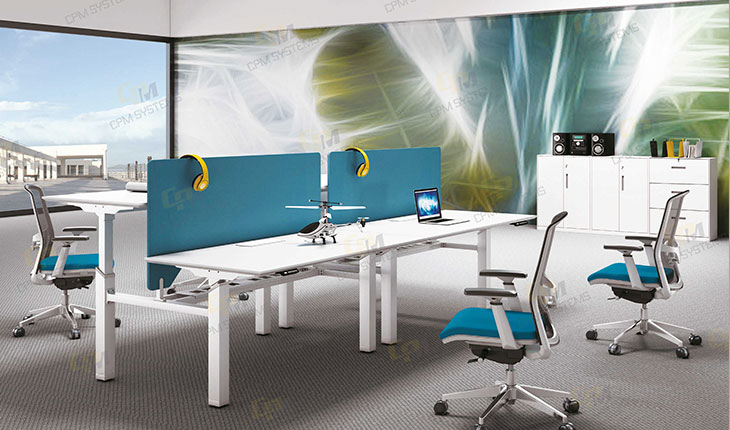
- Height-adjustable workstations
A wider product range makes it easier to create a consistent furniture plan across different departments.
2. Evaluate Material Quality
Material quality directly affects the durability and appearance of office workstations. Before buying, ask the manufacturer about the materials used for worktops, partitions, storage units, frames, edge finishing, and hardware.
Do not select a workstation based only on its appearance. Check the construction quality and whether the materials are suitable for regular commercial use.
A reliable office workstation manufacturer in India should be able to clearly explain its material specifications and construction methods.
3. Look for Customization Options
Every office has different dimensions and operational requirements. Standard workstation sizes may not always fit your available floor space.
A good modular workstation manufacturer should offer customization based on:
- Office dimensions
- Number of employees
- Department requirements
- Storage requirements
- Privacy requirements
- Cable management
- Color and finish
- Workstation configuration
Customized furniture can help businesses make better use of available space while maintaining a consistent office design.
4. Check Ergonomic Features
Employees spend several hours working at their workstations, making ergonomics an important consideration.
When evaluating an office workstation, consider factors such as:
- Appropriate desk height
- Adequate legroom
- Comfortable working area
- Monitor positioning
- Easy access to frequently used items
- Compatibility with ergonomic chairs
- Optional height-adjustable solutions
A well-designed workstation should support a comfortable and practical working environment.
5. Examine Cable Management
Modern workstations accommodate computers, monitors, networking equipment, chargers, and other electronic devices. Poor cable management can quickly make an office look cluttered.
Ask whether the workstation includes practical cable management features such as wire managers, cable trays, access points, or integrated routing systems.
Effective cable management can help maintain a cleaner and more organized workplace.
6. Consider Storage Requirements
Storage should be planned along with workstations rather than as an afterthought.
Depending on the office, employees may require pedestals, mobile storage, side units, overhead storage, filing cabinets, or other storage solutions.
An experienced office furniture manufacturer can help integrate storage into the workstation layout while maintaining efficient use of floor space.
7. Check the Workstation Design
The workstation should complement your overall office environment.
Modern businesses often prefer clean, minimal, and professional designs that can work across different departments. Consider finishes, partitions, colors, shapes, and furniture combinations before finalizing your purchase.
The design should also remain practical. A workstation that looks attractive but provides insufficient working space may not be a good long-term solution.
8. Ask About Space Planning
A good workstation manufacturer should understand that furniture selection and workspace planning are closely connected.
Ask whether the manufacturer can assist with:
- Floor-plan planning
- Workstation placement
- Seating capacity
- Employee movement
- Storage planning
- Meeting and collaboration areas
- 2D or 3D layout visualization
Professional space planning can help businesses avoid overcrowding and make better use of their available office area.
9. Check Manufacturing Capability
If you are purchasing workstations for a large office, it is important to understand whether the supplier has adequate manufacturing capability.
An established office workstation manufacturer should have the capacity to manage the required quantity, maintain consistent quality, and meet agreed project timelines.
For large projects, ask about manufacturing facilities, production capacity, quality checks, delivery schedules, and installation support.
10. Compare Pricing With Overall Value
Price is an important consideration, but it should not be the only deciding factor.
Compare manufacturers based on:
- Material quality
- Construction
- Design
- Customization
- Ergonomics
- Storage
- Cable management
- Delivery
- Installation
- Warranty or service support
A lower-priced workstation may not necessarily provide better long-term value if it requires frequent repairs or replacement.
11. Check Installation and After-Sales Support
Buying office workstations is only one part of the process. Proper installation is equally important.
Before placing an order, ask the manufacturer about delivery, installation, assembly, service support, and warranty terms where applicable.
A manufacturer that can manage the project from planning through installation can make the office setup process more convenient.
12. Review Previous Projects
Before selecting an office workstation manufacturer, look at their previous projects and completed installations.
Project experience can give you an idea of the manufacturer’s ability to handle different office sizes, layouts, industries, and design requirements.
If possible, review product samples, project photographs, client feedback, and completed workplace installations before making a final decision.
Why Choose CPM Systems?
CPM Systems provides modular office workstations and complete office furniture solutions for businesses looking to create functional and modern workplaces.
The company offers different workstation configurations, including linear, cluster, L-shaped, panel-based, managerial, executive, and collaborative solutions.
CPM Systems focuses on practical workspace planning, customization, ergonomics, cable management, storage, and contemporary office design. As an India-leading office furniture and workstation solutions brand, it works with businesses that require furniture solutions based on their office layout and operational requirements.
From workstation planning and customization to production, delivery, and installation, a complete approach can help businesses create a more organized and efficient workplace.
Final Checklist Before Buying Office Workstations
Before selecting a manufacturer, make sure you check:
- Product range
- Material quality
- Workstation construction
- Customization options
- Ergonomic features
- Cable management
- Storage solutions
- Space planning
- Manufacturing capability
- Delivery timeline
- Installation support
- After-sales service
- Previous projects
- Overall value for money
Conclusion
Choosing an office workstation manufacturer should involve more than comparing prices. Businesses should evaluate product quality, customization, ergonomics, durability, space planning, storage, cable management, manufacturing capabilities, and installation support.
The right manufacturer can help you select workstations that fit your office layout, support employee requirements, and remain practical as your business grows.
Whether you are setting up a small office or planning a large corporate workspace, taking the time to evaluate the manufacturer carefully can help you make a better long-term investment in your workplace.