What Are the Specifications of Modular Office Furniture?
Modern offices require furniture that is functional, comfortable, durable, flexible, and suitable for technology-driven work environments. This is why businesses increasingly choose modular solutions instead of traditional fixed furniture. But before purchasing, it is important to understand the specifications of modular office furniture, including dimensions, materials, ergonomics, storage, cable management, finishes, and customization options.
The right specifications help businesses create efficient workspaces while making the best use of available floor space. From individual desks to complete modular office workstations, every component should be selected according to employee requirements, office layout, and the nature of work.
What Is Modular Office Furniture?
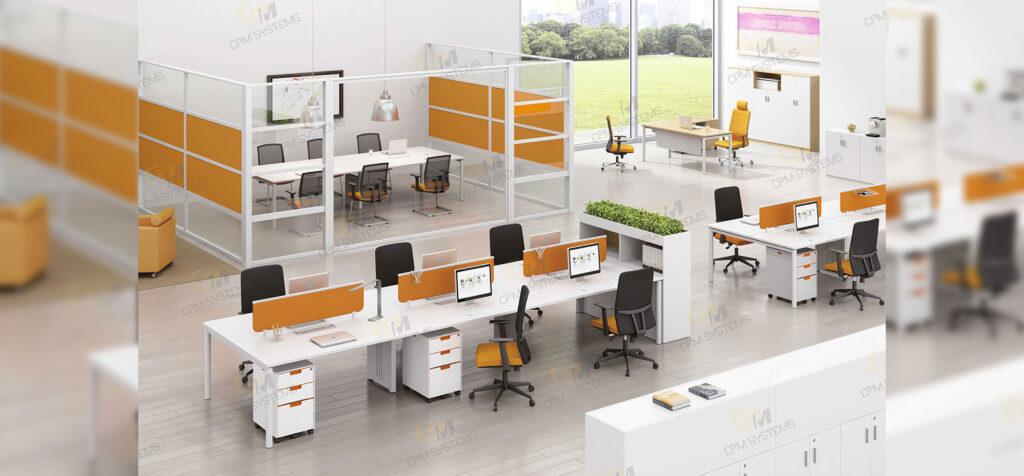
Modular office furniture is a flexible furniture system made from individual components that can be assembled, rearranged, expanded, or reconfigured according to workplace requirements.
A modular setup can include:
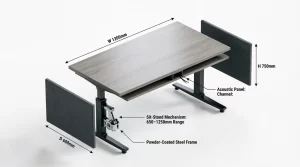
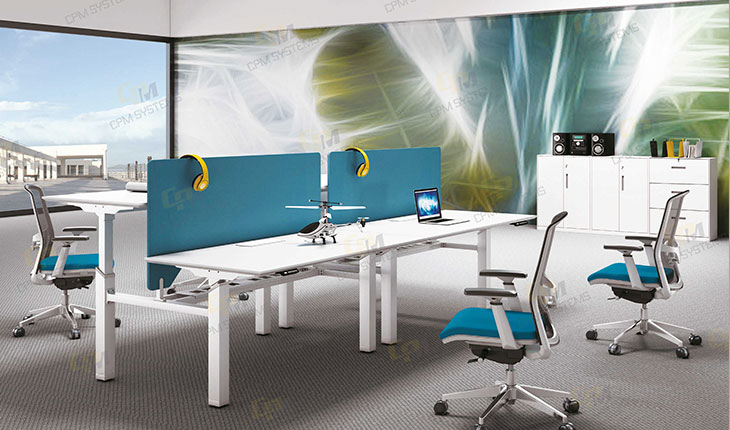
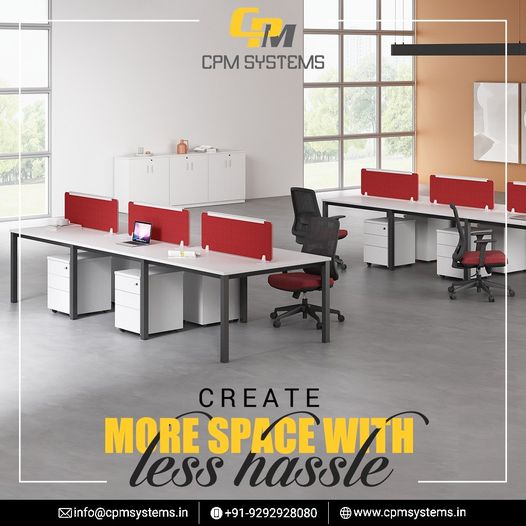
- Modular office workstations
- Modular desks
- Office desks
- Executive desks
- Office chairs
- Storage cabinets
- Pedestals
- Partitions
- Conference tables
- Reception furniture
The modular approach allows businesses to create different configurations without replacing the entire furniture system.
What Are the Specifications of Modular Office Furniture?
When evaluating modular office furniture specifications and dimensions, businesses should consider several technical and functional factors.
1. Modular Workstation Dimensions
One of the most important specifications is the size of the workstation. Standard modular office workstation dimensions can vary depending on the layout, number of users, available floor space, and work requirements.
Common considerations include:
- Workstation width
- Workstation depth
- Desk height
- Legroom
- Partition height
- Storage dimensions
- Clearance between workstations
There is no single dimension suitable for every office. Modular workstation dimensions should be finalized according to the office layout and employee requirements.
2. Workstation Height and Depth
Modular workstation height and depth directly influence employee comfort and usability.
The desk should provide sufficient space for:
- Computer monitors
- Keyboard and mouse
- Documents
- Office accessories
- Personal items
Adequate depth also helps maintain a comfortable viewing distance from computer screens while providing enough working space.
3. Materials Used in Modular Office Furniture
Modular furniture materials play an important role in durability, appearance, and maintenance.
Depending on the product and design, manufacturers may use materials such as:
- Engineered wood
- MDF
- Particle board
- Laminated panels
- Metal frames
- Glass
- Aluminium profiles
- Powder-coated components
The selection of materials should depend on the intended application, expected usage, design requirements, and budget.
4. Workstation Frame and Structure
The frame is an important component when considering the specifications of modular office workstations.
A well-designed workstation structure should provide:
- Stability
- Strength
- Proper load-bearing capacity
- Long-term durability
- Easy assembly
- Reconfiguration capability
Metal frames are commonly used where additional structural strength and durability are required.
5. Ergonomic Specifications
Ergonomic office furniture is essential because employees spend many hours working at their desks.
Important ergonomic considerations include:
- Appropriate desk height
- Comfortable seating
- Adequate legroom
- Correct monitor positioning
- Sufficient desk depth
- Adjustable chair features
- Proper posture support
Businesses should consider ergonomics when selecting office workstation specifications, particularly for employees who work continuously on computers.
6. Cable Management
Modern offices use computers, monitors, power systems, networking equipment, and communication devices. Therefore, cable management in office furniture is an important specification.
Modular workstations can include:
- Cable trays
- Cable ducts
- Wire managers
- Power management systems
- CPU holders
- Concealed wiring channels
Good cable management reduces clutter and helps maintain a cleaner and safer workspace.
7. Storage Specifications
Storage is another important component of office furniture specifications.
Depending on the department, modular furniture can incorporate:
- Mobile pedestals
- Filing cabinets
- Under-desk storage
- Overhead storage
- Full-height cabinets
- Open shelves
- Document storage units
The storage configuration should be based on the volume and type of documents, equipment, and office supplies used by employees.
8. Partition Specifications
Partitions provide privacy and help define individual workspaces. They can also contribute to the overall appearance of an office.
Partition specifications may include:
- Partition height
- Panel thickness
- Material
- Acoustic properties
- Glass sections
- Fabric finishes
- Privacy requirements
The appropriate partition design depends on whether the office requires an open, semi-private, or private workstation environment.
9. Finishes and Colours
Office furniture should complement the company’s interior design. Laminates, textures, wood finishes, glass, metal elements, and coordinated colors can be selected according to the overall workplace theme.
For corporate offices, furniture finishes should ideally balance:
- Professional appearance
- Durability
- Easy maintenance
- Brand aesthetics
- Long-term usability
10. Customization Options
One of the biggest advantages of modular systems is flexibility. Customized modular office furniture can be designed according to specific workplace requirements.
Customization can include:
- Dimensions
- Workstation configuration
- Materials
- Finishes
- Partition height
- Storage
- Cable management
- Desk shape
- Seating arrangements
This is particularly useful for companies with unusual floor plans or specialized departmental requirements.
Standard Modular Office Workstation Dimensions
People often search for standard modular office workstation dimensions, but actual measurements can vary significantly.
For example, a workstation may be designed as:
- Single workstation
- Two-person workstation
- Four-person workstation
- Six-person workstation
- Back-to-back workstation
- L-shaped workstation
- Cluster workstation
The final dimensions should be based on available floor space, circulation requirements, employee count, furniture configuration, and workplace activities.
Therefore, businesses should avoid selecting workstation sizes based solely on standard measurements.
Specifications for Different Office Areas
Different areas of an office require different furniture specifications.
Employee Workstations
Employee workstations should focus on ergonomics, technology integration, storage, and efficient use of space.
Manager Workstations
Manager workstations may require additional desk space, visitor seating, storage, and privacy.
Executive Offices
Executive spaces generally require larger desks, executive chairs, storage, side tables, and meeting arrangements.
Conference Rooms
Conference rooms require appropriately sized conference tables, comfortable chairs, cable management, and technology integration.
Reception Areas
Reception furniture should provide a professional appearance while allowing sufficient space for reception staff and visitors.
How to Select the Right Modular Office Furniture Specifications
Before finalizing furniture, businesses should evaluate the following factors:
Measure the Available Space
Take accurate measurements of the complete office area, including columns, doors, windows, electrical points, and circulation paths.
Determine Employee Count
Calculate how many employees will use each workstation or department.
Understand Work Requirements
An IT department may require more technology and cable management, while finance may require additional document storage.
Prioritize Ergonomics
Select furniture that supports comfortable and productive working conditions.
Consider Future Expansion
Choose modular systems that can be expanded or reconfigured as the organization grows.
Evaluate Material Quality
Compare materials, hardware, frames, finishes, and construction quality before making a purchasing decision.
Modular Office Furniture for Corporate Offices
Modular office furniture for corporate offices should provide a balance between aesthetics, functionality, employee comfort, technology integration, and efficient space utilization.
Large corporate workplaces may require a combination of:
- Modular workstations
- Executive office furniture
- Meeting tables
- Conference tables
- Office storage solutions
- Reception furniture
- Collaborative spaces
A coordinated furniture system can help create a consistent and professional workplace environment.
Why Choose Professional Modular Office Furniture Manufacturers in India?
When searching for modular office furniture manufacturers in India, businesses should look beyond product appearance and pricing.
Important factors include:
- Manufacturing capabilities
- Product quality
- Customization
- Material selection
- Project experience
- Installation support
- Delivery capabilities
- After-sales service
A professional manufacturer can help businesses select the right furniture specifications based on their floor plan and operational requirements.
CPM Systems and Modular Office Furniture Solutions
CPM Systems provides modular workplace solutions for businesses requiring functional and professionally planned office environments. Its solutions include modular office workstations, office desks, executive furniture, conference tables, storage solutions, reception furniture, and customized modular office furniture.
The company can support businesses in selecting furniture based on available space, department requirements, employee count, design preferences, and technology needs.
For organizations looking for modular office furniture manufacturers in India, working with an experienced manufacturer can simplify the process from furniture selection and customization to manufacturing, delivery, and installation.
Conclusion
The right modular office furniture specifications should be based on more than dimensions alone. Materials, workstation structure, ergonomics, cable management, storage, partitions, finishes, durability, and customization all play an important role in creating an efficient workplace.
Whether you are planning a small startup office or a large corporate workplace, carefully evaluating the specifications of modular office furniture can help you achieve better space utilization, employee comfort, and long-term flexibility.
CPM Systems offers modern and customized workplace solutions designed to meet the changing requirements of businesses. With the right combination of modular office workstations, ergonomic office furniture, office storage solutions, customized modular office furniture, and technology-friendly designs, organizations can create productive and professional workspaces.