Best Office Furniture for Corporate Offices: A Complete Guide
A well-designed corporate office needs furniture that combines comfort, functionality, durability, and professional aesthetics. The right furniture can improve employee productivity, create a better workplace experience, and give clients and visitors a strong first impression.
When selecting the best office furniture for corporate offices, businesses should consider the size of the workspace, number of employees, work requirements, office layout, budget, and overall design theme.
From modular workstations and ergonomic chairs to executive desks and conference tables, every furniture element plays an important role in creating an efficient corporate workplace.
Why Is the Right Corporate Office Furniture Important?
Office furniture is more than just a workplace necessity. It directly influences how employees work and interact within the office.
Good corporate furniture can help:
- Improve employee comfort and productivity
- Make better use of available office space
- Create an organized and professional workplace
- Support collaborative and individual working styles
- Improve office aesthetics and brand image
- Provide better storage and workspace management
- Create comfortable meeting and conference areas
For modern businesses, furniture should therefore be selected according to both practical requirements and workplace design goals.
Best Office Furniture for Corporate Offices
1. Modular Office Workstations
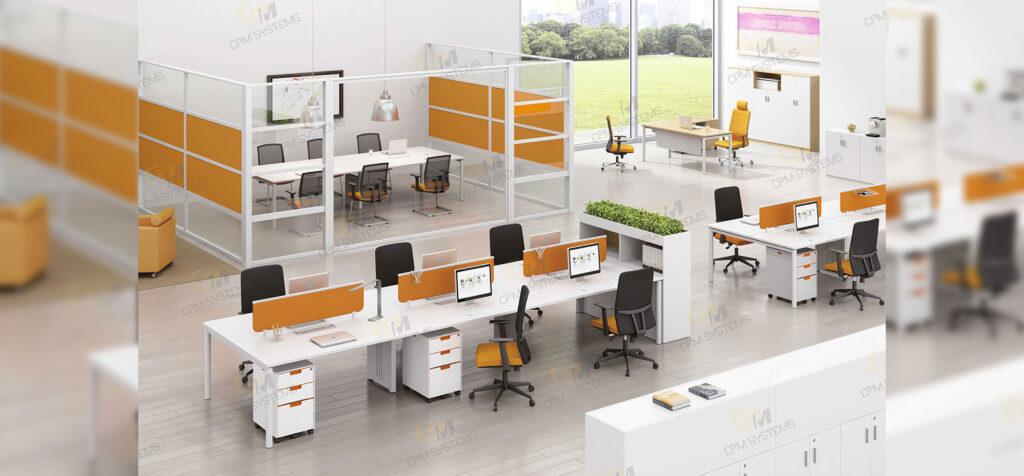
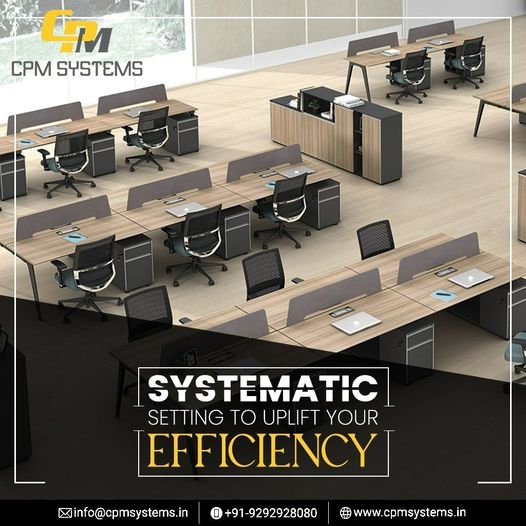
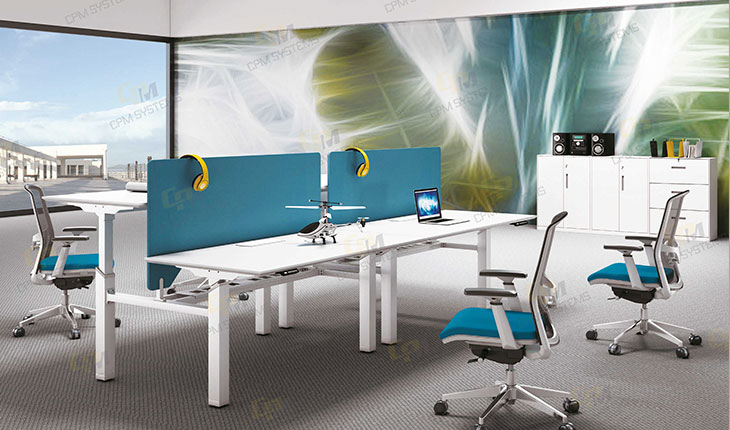
Modular workstations are one of the most popular choices for corporate offices. They provide individual workspaces while allowing companies to efficiently utilize available floor space.
Modern workstations can be designed according to the number of employees, office dimensions, and departmental requirements.
Features may include:
- Individual work desks
- Partition panels
- Cable management
- Storage units
- Integrated power solutions
- Privacy screens
Modular workstations are especially suitable for IT companies, BPOs, startups, consulting firms, and large corporate offices.
2. Ergonomic Office Chairs
Employees spend several hours sitting at their desks, making ergonomic seating an important part of a modern office.
An ergonomic office chair should provide proper back support and allow users to adjust the chair according to their individual requirements.
Important features include:
- Adjustable seat height
- Lumbar support
- Comfortable cushioning
- Adjustable armrests
- Breathable backrest
- Suitable seat depth
- Smooth mobility
Choosing comfortable office chairs can contribute to a healthier and more productive workplace environment.
3. Executive Office Desks
Executive desks are designed for senior management, directors, and leadership offices. They combine functionality with a premium appearance.
A good executive desk should provide sufficient working space along with convenient storage for documents and office accessories.
Popular options include:
- Wooden executive desks
- Modern executive tables
- L-shaped executive desks
- Manager desks
- Executive workstation systems
The design and finish of an executive desk should complement the overall interior of the office.
4. Conference Room Furniture
Conference rooms are used for meetings, presentations, client discussions, interviews, and strategic planning.
A suitable conference table should provide enough space for participants while maintaining comfortable movement around the room.
Conference room furniture can include:
- Conference tables
- Conference chairs
- Meeting tables
- AV units
- Storage cabinets
- Presentation units
The furniture should also support modern technology such as video conferencing, display screens, power outlets, and cable management.
5. Reception Furniture
The reception area is often the first point of contact for clients and visitors. Therefore, it should have a professional and welcoming appearance.
A corporate reception area can include:
- Reception desk
- Reception chairs
- Visitor seating
- Side tables
- Storage solutions
- Branding panels
The reception desk should reflect the company’s brand identity while providing sufficient space for reception staff.
6. Office Storage Solutions
An organized office requires efficient storage. Documents, files, office supplies, and equipment need dedicated storage spaces.
Common office storage options include:
- Pedestals
- Filing cabinets
- Storage cabinets
- Bookshelves
- Credenzas
- Lockers
- Mobile storage units
Well-planned storage helps keep workstations clean and makes important documents easier to access.
7. Collaborative Meeting Tables
Modern corporate offices increasingly include collaborative spaces where employees can discuss ideas and work together.
Small meeting tables, discussion tables, and collaborative furniture can be used in:
- Breakout areas
- Meeting rooms
- Informal discussion zones
- Project rooms
- Team collaboration spaces
These spaces can make offices more flexible and support different working styles.
How to Choose the Best Office Furniture for Corporate Offices?
Before purchasing corporate office furniture, businesses should evaluate several factors.
Consider Office Space
Measure the available area before selecting furniture. Oversized furniture can make an office feel crowded, while poorly planned layouts can waste valuable floor space.
Focus on Ergonomics
Employee comfort should be a priority. Choose workstations and chairs that support comfortable working for extended periods.
Choose Durable Materials
Corporate furniture experiences frequent daily use. Select materials, hardware, finishes, and construction that can withstand regular usage.
Maintain Design Consistency
Furniture should follow a consistent design language throughout the office. Workstations, desks, chairs, reception furniture, and conference furniture should complement one another.
Plan Cable Management
Modern offices depend heavily on computers, monitors, charging devices, and networking equipment. Integrated cable management can help maintain a cleaner and more organized workspace.
Consider Future Expansion
Corporate offices often grow over time. Modular furniture can make it easier to add workstations or reconfigure departments when requirements change.
Modern Trends in Corporate Office Furniture
Corporate workplaces are moving toward more flexible and employee-focused environments.
Some popular trends include:
- Open and flexible workspaces
- Modular workstations
- Ergonomic seating
- Collaborative areas
- Minimalist office furniture
- Smart cable management
- Multi-purpose meeting spaces
- Sustainable material choices
- Modern executive furniture
- Flexible office layouts
These trends allow companies to create workplaces that support productivity while maintaining a professional appearance.
Choosing the Right Office Furniture Manufacturer
Working directly with a professional office furniture manufacturer can provide greater flexibility in terms of design, customization, quality, and installation.
For large corporate projects, manufacturers can help businesses plan furniture according to:
- Office dimensions
- Employee capacity
- Department requirements
- Branding requirements
- Workspace layout
- Budget
- Installation schedule
CPM Systems offers modern office furniture solutions designed for businesses that want functional, professional, and well-planned corporate workplaces. The company provides solutions covering workstations, executive desks, conference tables, seating, storage, and complete office furniture requirements.
Amit Jain, Owner of CPM Systems, has been associated with the development of the company’s office furniture solutions and its approach toward delivering professional workplace environments.
Why Choose CPM Systems for Corporate Office Furniture?
For businesses planning a new office or renovating an existing workplace, selecting a reliable furniture partner is important. A professional manufacturer can help with product selection, customization, workspace planning, and project execution.
CPM Systems focuses on providing modern and practical furniture solutions for corporate offices, helping businesses create workspaces that balance aesthetics, comfort, functionality, and durability.
Whether the requirement is a small corporate office, a large employee workspace, an executive cabin, a conference room, or a complete office setup, choosing furniture according to the actual workplace requirements can deliver better long-term value.
Conclusion
Choosing the best office furniture for corporate offices requires more than selecting attractive desks and chairs. Businesses should consider ergonomics, durability, space utilization, functionality, design, storage, technology integration, and future expansion.
From modular office workstations and ergonomic chairs to executive desks, conference tables, reception furniture, and storage solutions, every element should work together to create a productive and professional workplace.
A carefully planned furniture solution can transform an ordinary office into a modern corporate environment that supports employees, impresses clients, and strengthens the company’s professional image.