Office Furniture Manufacturer vs Furniture Dealer: Which Is Better?
Choosing the right source for office furniture is an important decision for businesses planning a new office, expanding their workspace, or renovating an existing workplace. One of the most common questions is whether to purchase directly from an office furniture manufacturer or buy through a furniture dealer.
Both options have their advantages, but the right choice depends on factors such as budget, customization requirements, project size, product quality, delivery, installation, and after-sales support.
In this guide, we compare an office furniture manufacturer vs furniture dealer to help businesses make an informed decision.
What Is an Office Furniture Manufacturer?
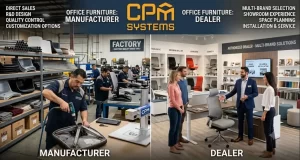
An office furniture manufacturer designs and produces furniture directly in its own manufacturing facility or through its controlled production network.
Manufacturers typically offer products such as:
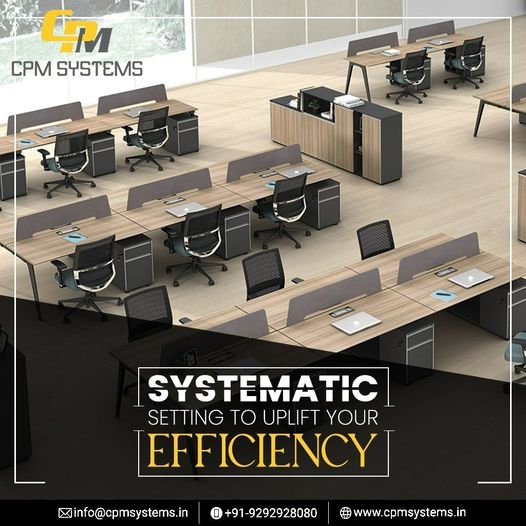
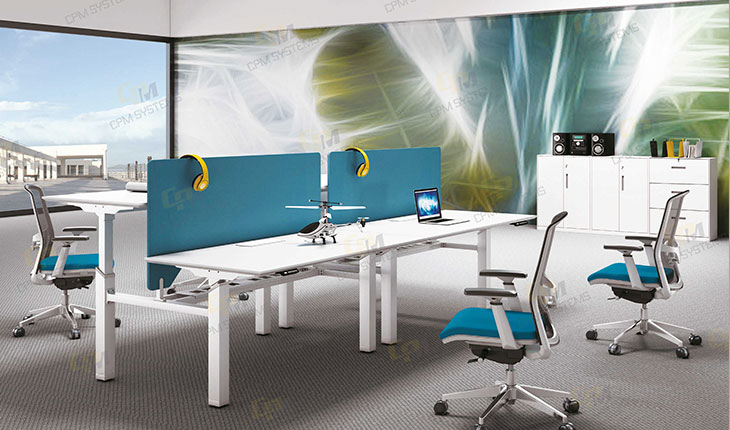
- Modular office workstations
- Executive desks
- Manager tables
- Conference tables
- Reception desks
- Office chairs
- Storage cabinets
- Pedestals
- Lockers
- Complete office furniture solutions
Because the manufacturer is directly involved in production, businesses can often get greater control over product specifications, materials, finishes, dimensions, and customization.
What Is a Furniture Dealer?
A furniture dealer purchases products from one or more manufacturers and sells them to customers.
Dealers may offer furniture from different brands, giving customers access to a wider variety of products in one place.
A dealer can be useful when a customer wants to compare different brands or requires furniture that comes from multiple manufacturers.
However, the dealer generally does not control the manufacturing process. Customization, technical specifications, pricing, and warranty terms may therefore depend on the original manufacturer.
Office Furniture Manufacturer vs Furniture Dealer: Key Differences
1. Pricing
Buying directly from a manufacturer can often reduce additional distribution margins, particularly for large office projects and bulk orders.
A dealer may add a margin to the manufacturer’s price because the dealer provides sourcing, sales, coordination, and other services.
For small purchases, the price difference may not always be significant. However, for large corporate projects, direct manufacturer pricing can potentially offer better value.
2. Customization
Customization is one of the biggest advantages of working directly with an office furniture manufacturer.
Businesses may require furniture according to specific:
- Dimensions
- Colors
- Materials
- Finishes
- Storage requirements
- Workspace layouts
- Branding requirements
- Cable management needs
A manufacturer can typically coordinate these specifications directly with its production team.
Dealers may also arrange customized furniture, but they usually need to communicate those requirements to the manufacturer or supplier.
3. Quality Control
Manufacturers have greater control over the production process and can establish standards for materials, construction, hardware, finishing, and quality inspection.
When purchasing through a dealer, the customer depends on the quality standards of the brands and manufacturers represented by that dealer.
For businesses ordering furniture for hundreds of employees, consistent quality across the entire project can be especially important.
4. Product Selection
Furniture dealers can have an advantage when it comes to product variety.
A dealer may represent several furniture brands, allowing customers to compare different styles and price ranges.
Manufacturers generally specialize in their own product range. However, a specialized manufacturer may offer a more integrated solution where multiple furniture categories are designed to work together.
5. Bulk and Corporate Orders
For large office projects, working directly with a manufacturer can be beneficial.
Manufacturers can coordinate:
- Bulk production
- Project-specific customization
- Delivery schedules
- Installation
- Workspace planning
- Product specifications
- Replacement requirements
This can make project coordination easier when the entire office needs to be furnished within a specific timeline.
6. Design and Workspace Planning
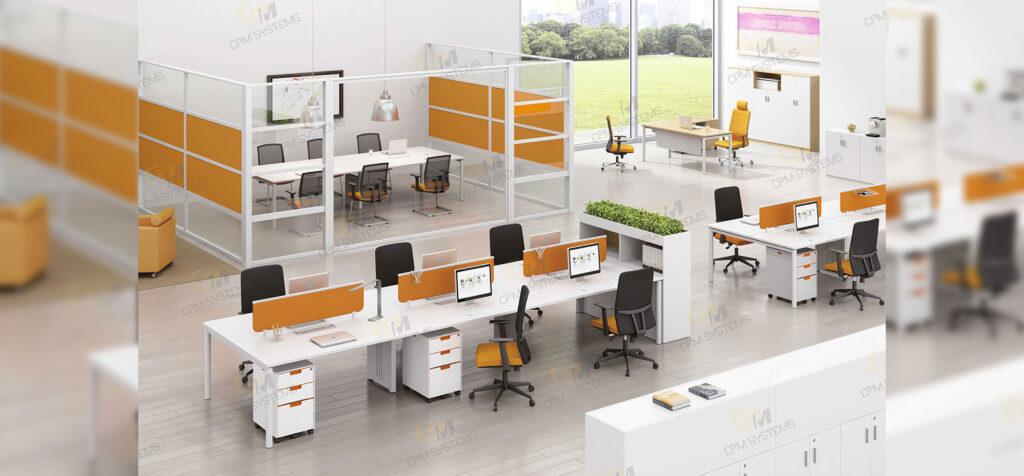
Modern corporate offices require more than individual furniture products. Businesses often need a complete workspace solution.
An experienced office furniture manufacturer can help plan furniture according to the available floor area and employee requirements.
For example, an office may require:
- 100 employee workstations
- Manager cabins
- Executive cabins
- Conference rooms
- Reception area
- Storage
- Collaboration areas
A complete furniture plan can help ensure that different furniture elements work together effectively.
7. Installation and Project Support
Installation becomes particularly important for large office projects.
A manufacturer may provide installation teams that understand the specifications of its own products.
Dealers can also provide installation services, but the level of support depends on the dealer and the manufacturers they work with.
Before placing an order, businesses should confirm whether installation, transportation, assembly, and project coordination are included.
8. Warranty and After-Sales Support
After-sales service is another important factor.
When purchasing directly from a manufacturer, communication regarding product specifications, replacement parts, manufacturing issues, and warranty support can be more direct.
With a dealer, customers may have to communicate through the dealer for warranty or service-related requirements.
Therefore, businesses should always check the warranty terms and service process before purchasing.
When Should You Choose an Office Furniture Manufacturer?
Buying directly from a manufacturer can be a better option when you:
- Need furniture in large quantities
- Require customized designs
- Are setting up an entire office
- Want consistent product quality
- Need specific dimensions or finishes
- Require project-based delivery
- Want direct technical support
- Need a complete office furniture solution
For corporate offices, direct manufacturer engagement can simplify communication between the customer, design team, production team, and installation team.
When Should You Choose a Furniture Dealer?
A furniture dealer may be a better choice when you:
- Need a small quantity of furniture
- Want to compare multiple brands
- Need different products from different manufacturers
- Are looking for readily available products
- Prefer a single point of purchase for multiple brands
- Have a limited customization requirement
Dealers can be particularly useful for businesses looking for flexibility and multiple product choices.
Manufacturer vs Dealer: Quick Comparison
| Factor | Office Furniture Manufacturer | Furniture Dealer |
|---|---|---|
| Pricing | Often better for bulk orders | May include dealer margin |
| Customization | High | Depends on manufacturer |
| Quality control | Direct production control | Depends on supplied brands |
| Product variety | Usually own product range | Multiple brands possible |
| Bulk orders | Strong advantage | Depends on supplier network |
| Project support | Often available | Depends on dealer |
| Installation | Manufacturer-specific support | Dealer-managed or outsourced |
| Technical support | Direct | Usually through dealer |
| Warranty coordination | Direct manufacturer support | Usually through dealer |
| Best for | Corporate & large projects | Small/mixed requirements |
Why Direct Manufacturer Partnership Can Be Better for Corporate Offices
For a corporate office project, furniture is usually a long-term investment. Businesses need furniture that can handle daily use while maintaining functionality and professional appearance.
Working directly with an office furniture manufacturer can provide better coordination between product design, customization, production, delivery, and installation.
CPM Systems is an office furniture manufacturer providing solutions for modern corporate workplaces, including workstations, executive desks, conference tables, reception furniture, storage, and other office furniture requirements.
The company focuses on creating practical workplace solutions according to project requirements, office layouts, and business needs.
Amit Jain, Owner of CPM Systems, is associated with the company’s approach to delivering professional office furniture solutions and workplace projects.
How to Choose the Right Office Furniture Partner?
Before finalizing a manufacturer or dealer, consider the following:
Check Product Quality
Ask about materials, hardware, construction, finishing, and durability.
Review Previous Projects
Look at completed corporate office projects to understand the company’s capabilities.
Compare Complete Costs
Don’t compare only the furniture price. Consider transportation, installation, customization, taxes, and after-sales support.
Ask About Customization
If your office has specific dimensions or design requirements, confirm customization capabilities before placing an order.
Check Delivery Capacity
For large projects, make sure the supplier has sufficient production and delivery capacity to meet your timeline.
Understand Warranty Terms
Ask about warranty coverage, service response, replacement parts, and maintenance support.
Evaluate Project Support
A reliable furniture partner should be able to coordinate with architects, interior designers, project managers, and facility teams when required.
Final Verdict: Manufacturer or Dealer?
There is no single answer for every business.
If you need a few ready-made products or want to compare several brands, a furniture dealer can be a convenient option.
However, if you are setting up a corporate office, require bulk quantities, need customization, or want a complete workplace solution, purchasing directly from an office furniture manufacturer can offer significant advantages.
CPM Systems can be considered by businesses looking for a complete and professionally coordinated office furniture solution, particularly for corporate workplaces requiring workstations, executive furniture, meeting areas, storage, and customized office setups.
Ultimately, the best choice depends on your project size, budget, customization requirements, timeline, and expected level of support.